
THE PLAYERS
Institution making the move: J.P. Morgan
Target capital: Brazilian UHNW wealth
Market being contested: Private banking and wealth management
Why it matters: Control of international advisory relationships increasingly determines who captures long-term wealth management revenues.
TOP SIGNAL
J.P. Morgan’s expansion of its Brazil coverage team is less about staffing and more about positioning. The bank is investing resources into a market where the most valuable asset is no longer deposits but the advisory relationship itself. Wealthy Brazilian clients increasingly require international lending, private markets access, estate planning, and cross-border investment capabilities. Those needs create an opportunity for global institutions to compete directly with Brazil’s domestic banking champions.
THE MISSED SIGNAL
Most people see a private banker joining a team.
The real signal is that major global institutions believe the future growth opportunity lies in capturing Brazilian wealth once it leaves the traditional domestic banking ecosystem. The battle is no longer occurring inside Brazil’s banking sector alone.
THE ANGLE
For years, domestic institutions enjoyed a structural advantage because client assets remained largely within national financial systems. That advantage weakens as wealthy families accumulate international assets and demand services spanning multiple jurisdictions. Global banks are responding by building dedicated country coverage teams designed to intercept that demand. The objective is not asset gathering alone; it is ownership of the entire advisory relationship.
WHY IT MATTERS
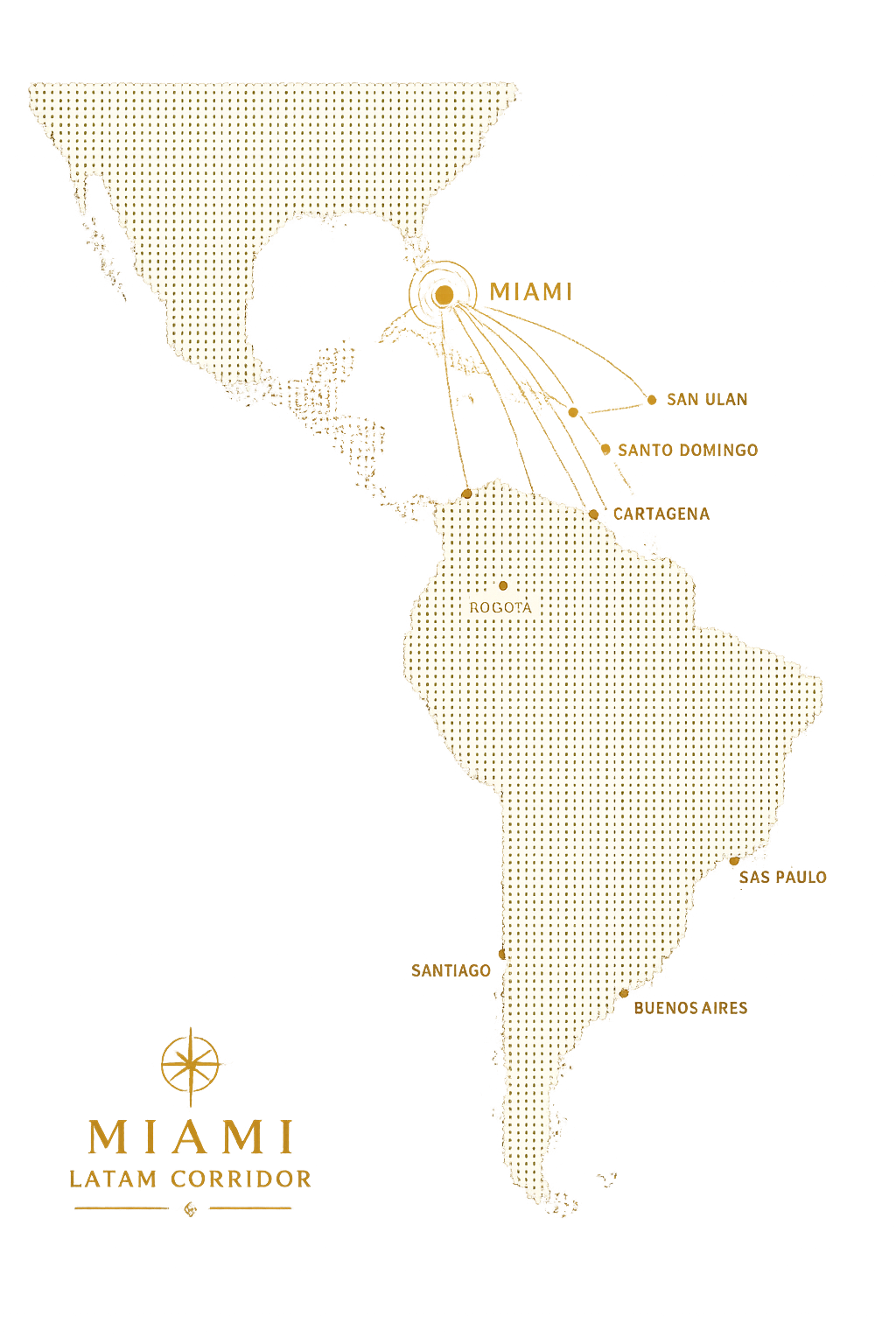
If this behavior continues, private banking becomes increasingly organized around international wealth corridors rather than national banking markets. Institutions with global lending capabilities, private markets access, and cross-border structuring expertise gain an advantage over firms whose strengths remain concentrated domestically. The result is a more competitive market for Latin America’s largest private wealth pools.
WHAT WE’RE WATCHING
- Additional Brazil-focused hiring by global private banks.
- Expansion of offshore services offered by Brazilian financial institutions.
- Growth of family office and private lending platforms targeting Brazilian wealth.