



Rising geopolitical pressure across traditional maritime routes, combined with LNG shipping demand and supply-chain fragmentation, has renewed institutional focus on the Panama Canal as a hemispheric logistics control point. Shipping operators and infrastructure allocators are increasingly rerouting freight exposure through Panama as reliability becomes more valuable than pure efficiency.
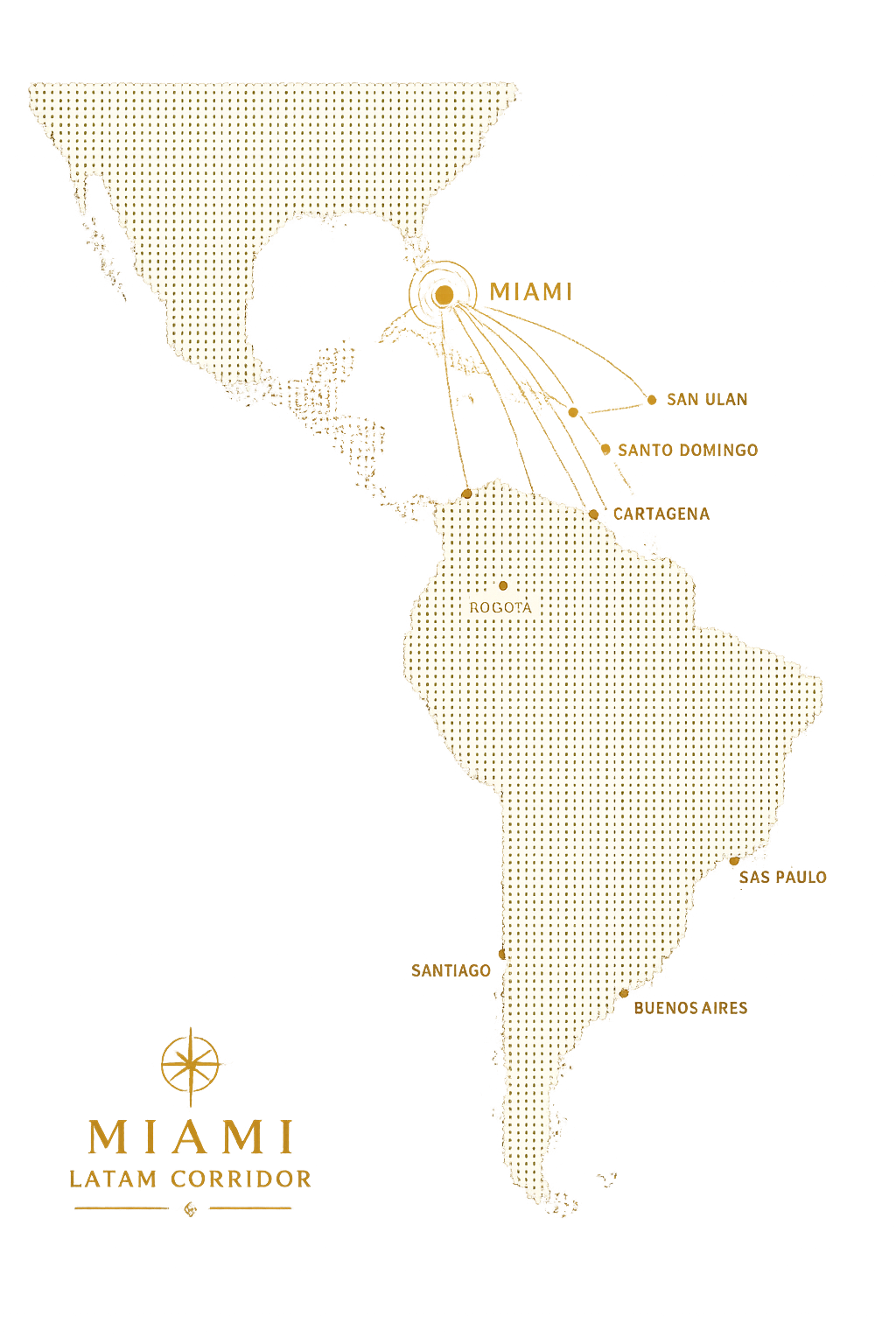
The implications extend beyond canal traffic. Panama’s surrounding ecosystem — trade finance, warehousing, maritime insurance, free-trade zones, and logistics-linked real estate — is beginning to absorb secondary capital inflows tied to long-duration supply-chain restructuring. The corridor between Miami and Panama is also deepening as financial coordination, legal structuring, and trade intermediation increasingly operate as an integrated cross-border system.
Institutional capital appears less focused on short-term shipping volume than on ownership and control of infrastructure layers benefiting from geopolitical fragmentation. Logistics parks, bonded industrial assets, maritime services, and trade-adjacent financing platforms are quietly becoming strategic accumulation targets across the region.
The canal’s renewed importance reflects a broader shift in global capital behavior. Infrastructure capable of monetizing instability is increasingly attracting long-duration institutional conviction.