
Elon Musk’s SpaceX completed the largest initial public offering (IPO) in financial history on June 12, 2026, pricing its massive share sale at $135 to raise between $75 billion and $86 billion. The transaction valued the recently consolidated rockets, Starlink, and xAI conglomerate at approximately $1.75 trillion upon entry to the public markets.
Major Wall Street syndicates structured the historic listing to allocate an unprecedented 30% of total shares to retail accounts via mainstream consumer brokerages. The listing officially transitioned one of the world’s most valuable private deep-tech entities into a mega-cap public equity, immediately transforming index concentration dynamics and prompting a massive, multi-billion dollar secondary arbitrage movement within exchange-traded funds (ETFs) such as Ark Innovation (ARKK) as institutional desks sought synthetic pathways to clear size.
THE SIGNAL The listing signals a fundamental shift in institutional liquidity structures, moving from late-stage private mega-rounds toward public equity markets and specialized ETF creation-redemption plumbing to clear historic, AI-driven capital raises.
THE ANGLE While casual market observers view the historic SpaceX IPO as a straightforward crowning moment for retail equity access and space technology, the true mechanical development is an aggressive institutional liquidity plays. The underlying corporate mechanism—specifically the absorption of xAI and the subsequent rush to raise a concurrent $20 billion in investment-grade senior notes—reveals that the transaction was engineered as a public equity recapitalization to clear early-stage artificial intelligence infrastructure debts.
Furthermore, the post-listing trading dynamics exposed structural bottlenecks within institutional capital distribution. Desks unable to secure primary allocations weaponized the creation-and-redemption mechanisms of large tech ETFs, causing unprecedented, multi-billion-dollar single-day asset flows. This arbitrage behavior demonstrates that the traditional IPO pricing and allocation framework is structurally inadequate for absorbing a $1.75 trillion valuation event, forcing institutional capital to treat public thematic ETFs as proxy secondary clearinghouses.
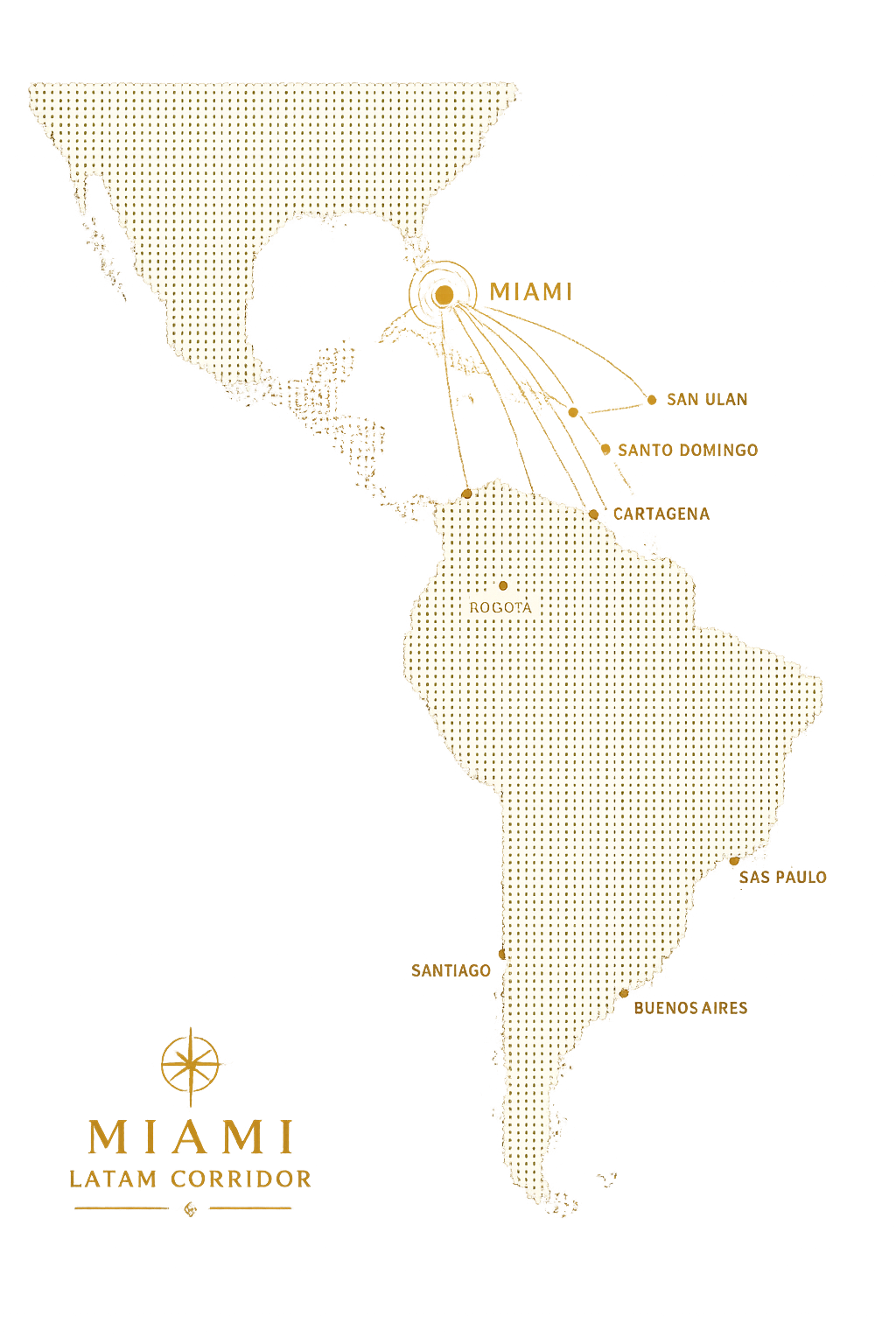
WHY IT MATTERS FOR MIAMI–LATAM For the Miami–LATAM financial corridor, this colossal equity event serves as an infrastructure paradigm shift for regional family offices and private banking desks. Miami has spent years cementing itself as the premier cross-border asset management hub for Latin American wealth seeking defensive, dollar-denominated tech allocations. The sheer scale and high retail distribution of the SpaceX listing has forced South Florida wealth managers out of speculative, early-stage LatAm venture funds and directly into liquid, highly concentrated U.S. mega-cap public assets.
Additionally, the integration of xAI within the public SpaceX vehicle sets a new benchmark for cross-border asset allocation. LatAm single-family offices, historically reliant on traditional sovereign debt or physical real estate, are realigning their portfolios around Miami-based parallel vehicles specifically engineered to navigate the post-IPO volatility of high-intensity AI infrastructure plays.
WHAT WE’RE WATCHING
- Institutional adoption of ETF-backed arbitrage frameworks for upcoming mega-cap tech IPOs like OpenAI and Anthropic.
- Infrastructure expansion of Starlink orbital networks alongside newly announced regional data centers funded by the debt issuance.
- Capital flow changes away from standard late-stage private equity rounds toward liquid public-market tech assets.