
THE STORY
The private credit industry is rapidly becoming a major source of funding for the Buy Now, Pay Later (BNPL) market through financing structures known as forward-flow agreements. Under these arrangements, private credit firms purchase or finance pools of installment loans originated by fintech lenders, allowing BNPL providers to recycle capital and expand lending without relying primarily on traditional banks.
Large alternative asset managers including Blue Owl Capital, KKR and other institutional investors have increased exposure to this segment even as credit analysts and former regulators warn about weakening U.S. consumer finances and limited transparency around these loan portfolios. The expansion reflects growing institutional demand for higher-yielding private credit assets despite rising concerns over consumer leverage, underwriting standards and the potential accumulation of opaque credit risk outside the traditional banking system.
THE SIGNAL
Institutional capital is migrating deeper into non-bank consumer credit infrastructure, expanding private funding for unsecured household lending despite growing concerns over credit transparency and borrower quality.
CAPITAL INTERPRETATION
Markets will likely frame this as another chapter in the explosive growth of private credit. The immediate narrative centers on BNPL adoption, fintech innovation and investors searching for higher yields as traditional fixed-income markets remain increasingly competitive.
The more important development is where institutional capital is choosing to reside. Rather than funding businesses directly, private credit managers are increasingly financing consumer receivables at scale. That represents an expansion of private capital into financial infrastructure traditionally intermediated by commercial banks or securitization markets.
Forward-flow agreements effectively transform private credit managers into long-term balance sheet providers for fintech lenders. Instead of banks holding these loans, institutional investors increasingly absorb the underlying consumer credit exposure. This changes not only who bears the risk but also where systemic consumer leverage accumulates.
The significance extends beyond BNPL itself. The continued migration of consumer lending into private markets makes household credit less visible to regulators, public investors and traditional banking data. As capital increasingly moves through private channels, assessing consumer credit quality becomes more difficult, even while institutional allocations continue to grow.
CORRIDOR VIEW
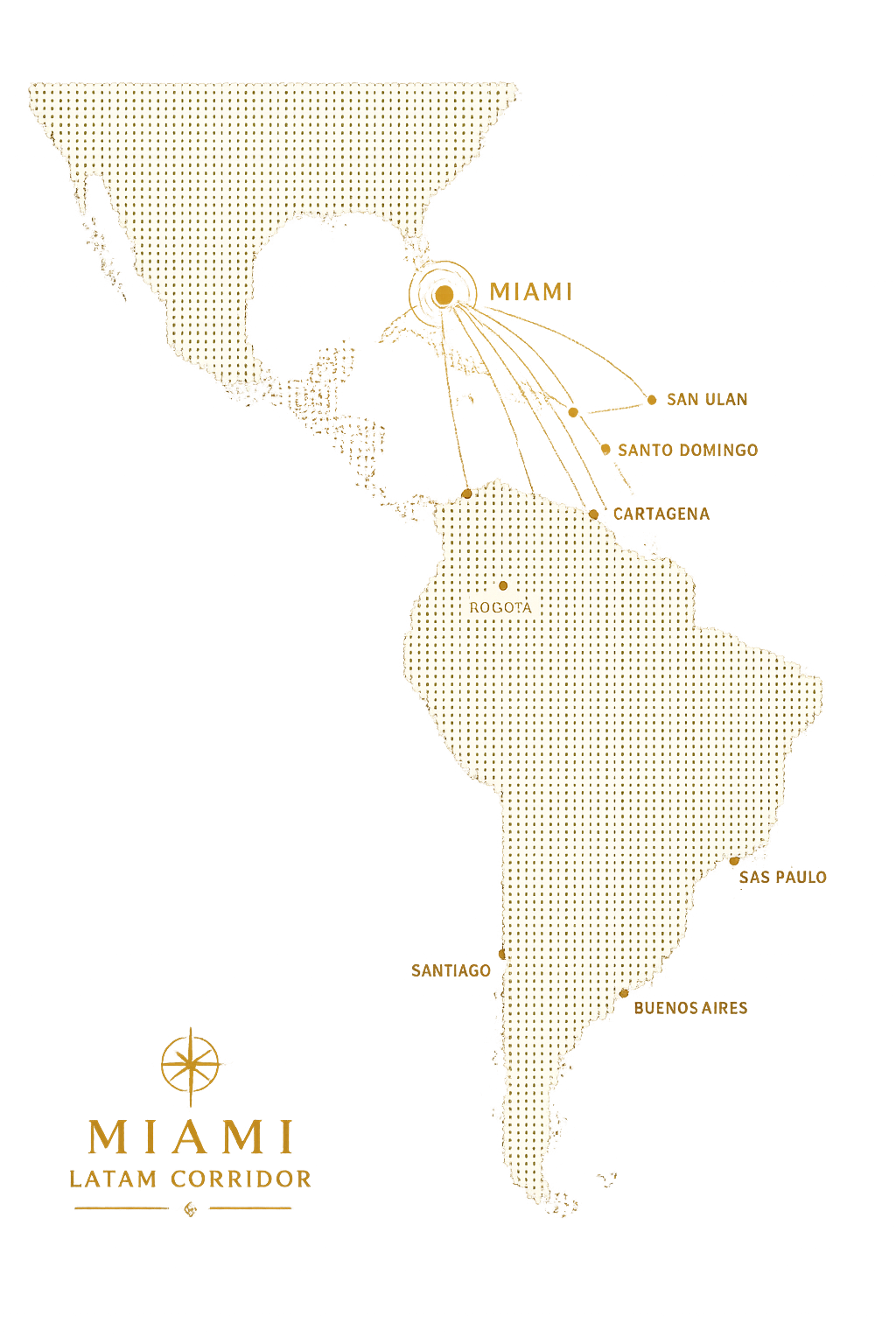
While the lending activity is centered in the U.S. consumer market, the financing model is highly relevant to South Florida’s growing ecosystem of private credit funds, family offices and alternative asset managers. Miami continues to position itself as a hub for private capital serving both North and Latin American investors, making consumer credit financing another potential institutional allocation strategy.
Across Latin America, BNPL adoption and embedded finance continue to expand rapidly as traditional banking penetration remains uneven. If U.S. private credit managers increasingly finance consumer lending platforms successfully, similar capital structures could emerge throughout the region, creating new cross-border investment opportunities for Miami-based allocators focused on fintech credit infrastructure.
WHAT WE’RE WATCHING
- Institutional expansion of forward-flow financing across fintech and consumer lending platforms.
- Regulatory scrutiny of private credit exposure to unsecured consumer debt and off-bank credit markets.
- Growth of cross-border private capital funding for consumer finance infrastructure throughout Latin America.