
STORY
The Bank for International Settlements (BIS) warned that rising public debt, elevated asset valuations, and growing reliance on debt financing for artificial intelligence investment are increasing risks across the global financial system. In its 2026 Annual Economic Report, the BIS identified renewed inflation pressures, supply disruptions, financial market fragility, and uncertainty surrounding AI investment as key vulnerabilities. The report also warned that leveraged hedge funds now play a larger role in sovereign debt markets, strengthening links between government finances and financial stability. The BIS urged policymakers to prioritize fiscal sustainability, price stability, stronger oversight of non-bank finance, and structural reforms.
SIGNAL
Global capital is becoming increasingly dependent on debt-financed investment while institutional regulators are shifting their focus toward systemic financial resilience.
CAPITAL ANGLE
Most readers will see another warning about inflation and government debt.
Institutions see something more significant: the financial architecture supporting today’s investment cycle is becoming increasingly leveraged. The BIS is highlighting that AI infrastructure spending, sovereign borrowing, and non-bank financial intermediaries are becoming interconnected sources of systemic risk.
As governments continue issuing record amounts of debt and private capital finances AI expansion through increasingly complex funding structures, sovereign bond markets become more sensitive to liquidity shocks. The growing influence of leveraged investors in government debt markets reinforces this dynamic.
The structural trend is a transition from monitoring individual sectors to monitoring the resilience of the financing system itself. Capital preservation is becoming as important as capital deployment, with regulators placing greater emphasis on fiscal discipline, market liquidity, and oversight beyond traditional banking institutions.
CORRIDOR VIEW
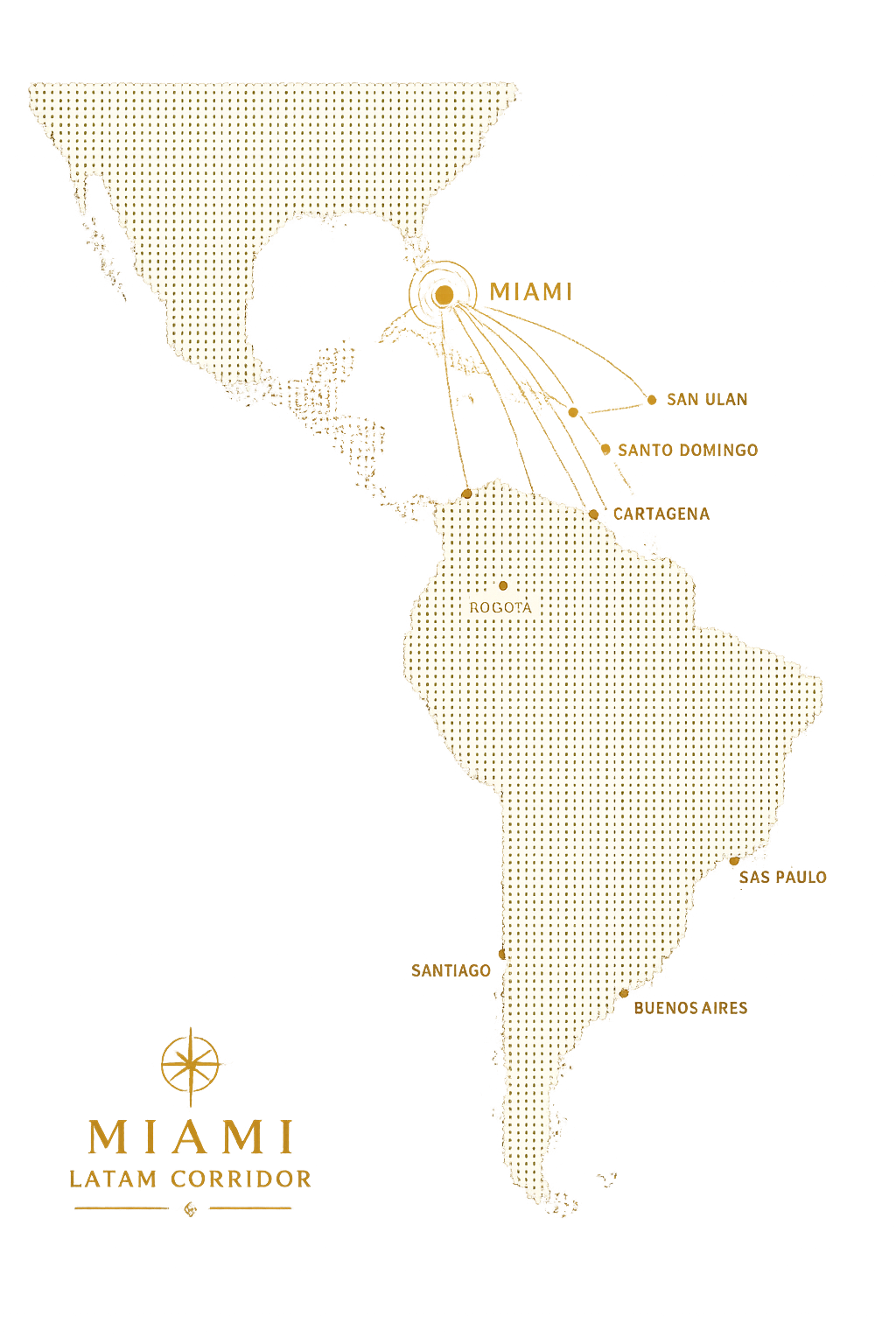
For Miami and South Florida, stronger scrutiny of non-bank finance and sovereign debt markets could influence cross-border wealth management and international capital flows serving Latin American clients. Private banks operating across the Americas may face greater regulatory focus on liquidity, leverage, and risk management. No immediate changes are expected, but institutions serving the Miami–Latin America capital corridor should monitor evolving supervisory standards.
WHAT WE’RE WATCHING
- Regulatory proposals expanding oversight of non-bank financial institutions.
- Institutional financing trends supporting AI infrastructure investment.
- Sovereign debt issuance and liquidity conditions in major government bond markets.