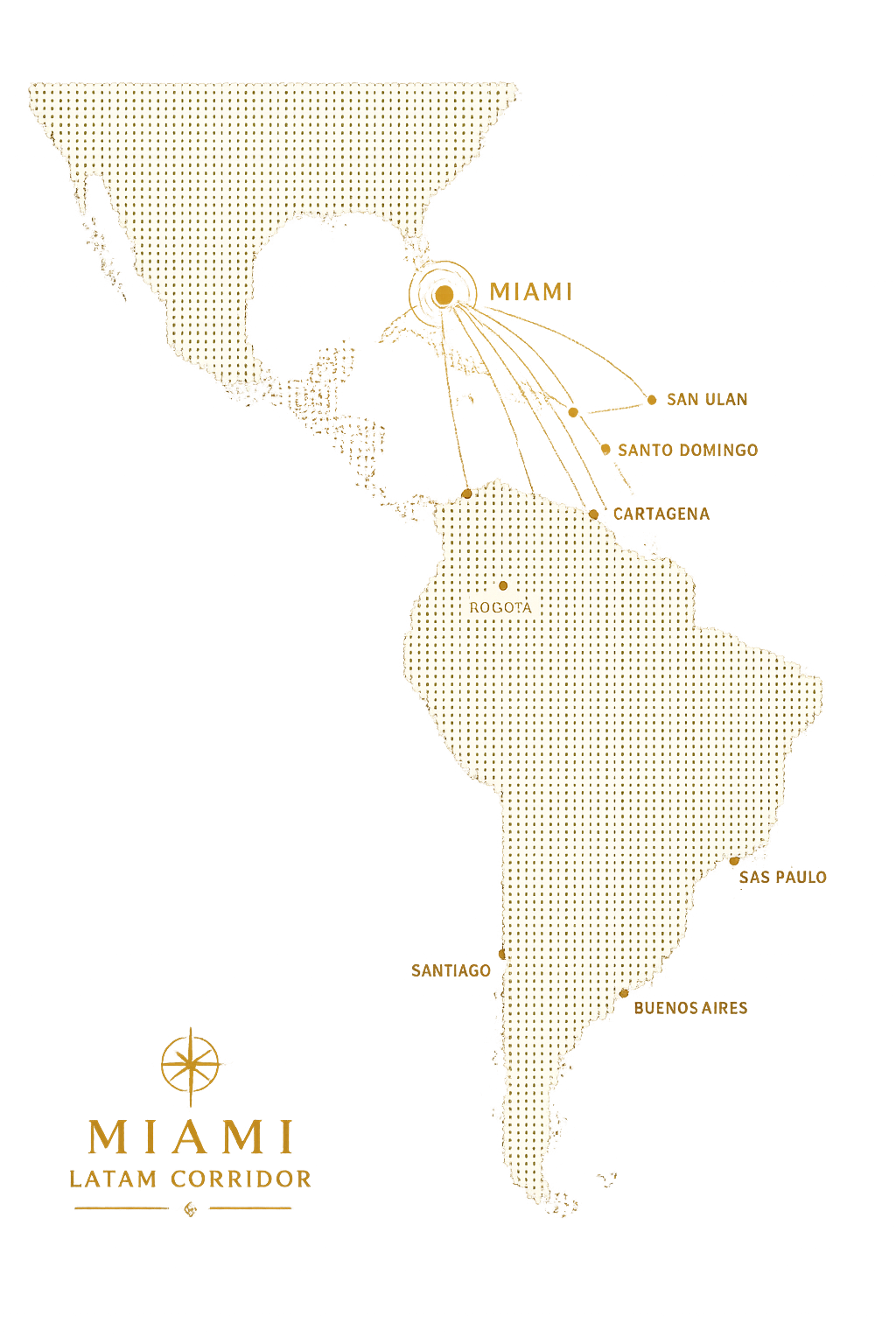

Record remittance flows Latin America exceeded $158 billion in 2025, setting a historic benchmark that is redefining the way capital moves across the region. These funds, primarily originating from migrant communities in the United States, have evolved from simple family support mechanisms into powerful, structural capital streams that fuel entrepreneurship, fintech innovation, and local economic growth. Despite a 1 percent remittance tax introduced in mid-2025, transfer volumes continued to rise, demonstrating the resilience and strategic importance of these nearshore financial flows.
The scale of these inflows has profound implications. According to the Inter-American Development Bank, remittances now consistently exceed foreign direct investment and portfolio flows in many smaller Latin American economies. Countries such as Mexico, Guatemala, Honduras, and the Dominican Republic are particularly dependent on this financial lifeline. These funds not only support household consumption but also catalyze business formation, educational investment, and community development.
Entrepreneurs Transforming Remittances into Business Opportunity
Entrepreneurs have seized the opportunity presented by this historic surge in capital. Manuel Godoy, co-founder of Félix Pago, developed a platform that leverages WhatsApp to simplify cross-border remittances. By reducing costs, increasing speed, and integrating local agents, Félix Pago exemplifies how record remittance flows Latin America can be transformed into scalable fintech solutions. Users can send funds home as easily as sending a message, while investors recognize the untapped potential in these predictable capital flows.
In Chile, Carla Leal’s startup Tu Cambio focuses on enhancing financial inclusion by streamlining transfers for rural populations. By reducing transaction fees and facilitating access to formal financial channels, Tu Cambio converts ordinary household remittances into a strategic economic force, demonstrating how fintech innovation can expand the reach and impact of these flows.
Meanwhile, in Guatemala, families such as the Barán and Danny cooperative illustrate the transformative impact of remittance networks. By pooling funds from migrants abroad, these communities finance local businesses, educational programs, and infrastructure projects, creating a multiplier effect that goes far beyond individual households.
Structural Capital and Predictable Cash Flows
The strategic value of record remittance flows Latin America lies in their predictability and scale. Unlike short-term speculative capital, these inflows are regular, dollar-denominated, and distributed across diverse communities. This provides entrepreneurs and investors with a stable foundation for planning business operations, launching startups, and identifying new market opportunities. Local retailers, service providers, and fintech platforms are already tapping into this structural liquidity to expand offerings, enhance user experience, and innovate financial products tailored to migrant networks.
Paula De la Mora and the Safe Haven Strategy in Miami
From a financial strategy perspective, the flows represent both opportunity and security. They reduce foreign exchange risk, provide a constant supply of working capital, and signal areas of concentrated demand. Entrepreneurs who understand these patterns can design products that integrate directly with remittance channels—whether digital wallets, micro-loans, or mobile-based payment solutions. Investors, meanwhile, can leverage these predictable cash streams to evaluate potential market entry points with a high degree of confidence.
Expanding the Ecosystem: Fintech, Infrastructure, and Investment
The ripple effect of record remittance flows Latin America extends to multiple sectors. Fintech startups continue to innovate, offering tools for seamless transfers, currency conversion, and financial education. Logistics and micro-transportation services benefit from increased consumer spending, while educational programs and local entrepreneurship initiatives flourish as communities reinvest funds locally.
For example, Mexican fintech platforms are integrating remittance channels with e-commerce solutions, allowing families to pay for school, groceries, and utilities directly using funds sent from abroad. This integration not only improves convenience but also strengthens the local digital economy. Meanwhile, investors who recognize these trends can identify high-potential startups that are directly tied to remittance networks, enabling early-stage entry into markets with proven demand.
Future Outlook and Strategic Considerations
Looking forward, record remittance flows Latin America are expected to maintain strong growth, driven by digital adoption, expanding diaspora networks, and innovative fintech solutions. Policymakers may further formalize these channels, creating new opportunities for compliant financial services while also imposing regulatory considerations. Entrepreneurs and investors must remain vigilant regarding potential FX volatility, taxation changes, and cross-border compliance, but the long-term trajectory of remittance-driven capital remains highly favorable.
Emerging opportunities include micro-insurance, digital credit products, and localized fintech applications that leverage the consistent inflow of funds. Communities dependent on remittances are increasingly integrating these flows into entrepreneurial ventures, forming a predictable ecosystem of investment, consumption, and innovation.
Turning Human Networks into Strategic Advantage
Record remittance flows Latin America in 2025 demonstrate the power of human networks as drivers of capital. Beyond supporting families, these flows provide entrepreneurs with structural liquidity, enable investors to identify market trends, and stimulate financial innovation across the region.
Manuel Godoy’s Félix Pago and Carla Leal’s Tu Cambio exemplify how startups can convert remittances into scalable business models, offering services that serve millions of migrant families while creating robust investment opportunities. By understanding the patterns and needs of these networks, business leaders can harness remittance flows to create lasting economic impact.
These funds are more than transfers—they are the backbone of a growing ecosystem where entrepreneurship, innovation, and financial inclusion converge. Entrepreneurs and investors who align with these capital flows gain not only financial returns but also strategic insight into the evolving dynamics of Latin America’s nearshore economy.